Questioning Tianeptine Benefits
Tianeptine is a substance that’s caught the attention of many for its alleged health benefits. Despite what some companies claim, it’s important to know that the United States Food and Drug Administration (FDA) has not approved tianeptine for any medical use. This means it hasn’t passed the strict checks that ensure a medicine is safe and effective for treating conditions. Some companies, however, choose to ignore this. They market tianeptine as a miracle solution for issues like anxiety, depression, pain management, and even opioid addiction recovery. But without FDA approval, there’s no guarantee of its safety or effectiveness. As consumers, it’s critical to approach tianeptine with caution and be aware of the facts before considering its use.
The Reality of Tianeptine
Tianeptine has not received the green light from the FDA, meaning it hasn’t been proven safe or effective for any health condition. Despite this, some sellers are pushing tianeptine onto the market, making big promises about its abilities. They claim it can help with brain function and treat a range of issues, from anxiety and depression to pain and even opioid addiction. These claims are not backed by solid evidence. Without the FDA’s approval, there’s no way to be sure these products are what they say they are or if they work as promised. This situation puts consumers in a tricky spot, where they might be tempted by the benefits without fully understanding the risks or the lack of official backing for these claims. It’s a reminder to look beyond the marketing and seek out products that have been properly evaluated and approved for use.
Rising Concerns and Side Effects
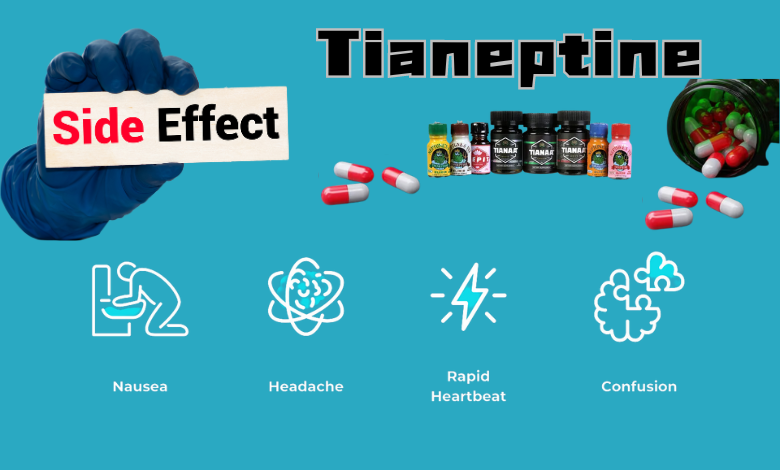
Reports of serious side effects from using tianeptine are on the rise, drawing attention and concern. Data shows a significant increase in calls to poison control centers due to tianeptine exposure. From the year 2000 to 2013, there were only 11 reported cases. However, in 2020 alone, this number jumped to 151 cases. This spike signals growing issues related to its use, with individuals experiencing harmful effects. The rising trend of these reports emphasizes the potential dangers associated with tianeptine, especially when used without proper medical supervision and approval. It highlights the importance of being cautious with substances that have not undergone thorough safety evaluations, reminding us of the risks that come with unapproved and unregulated products.
Regulatory Actions and Warnings
- FDA Advisories: The FDA has issued several warnings to consumers, advising against the purchase and use of tianeptine due to its unapproved status and potential risks.
- Legal Actions: There have been legal repercussions for individuals and companies illegally distributing tianeptine, including cases of smuggling and selling under false claims.
- Product Recalls: Specific tianeptine-containing products have been subject to recall actions to protect public health.
- Public Statements: The FDA and other agencies have released public statements and press releases to inform and safeguard the community against the dangers of tianeptine.
The Risks of Misinformation
Misinformation about tianeptine poses real risks. When companies make unfounded claims about its benefits without FDA approval, they mislead consumers into believing it’s safe and effective for conditions like depression, anxiety, and pain relief. This misinformation can lead people to use tianeptine without understanding the potential dangers, including serious side effects or interactions with other medications. The spread of false information undermines the importance of relying on scientifically proven treatments and can divert individuals from seeking legitimate medical advice. It’s crucial for consumers to critically evaluate health claims and seek information from reliable sources to protect themselves from the consequences of misinformation.
Conclusion
The discussion around tianeptine highlights a significant issue in the health and wellness industry: the challenge of navigating between promising claims and the reality of unapproved substances. Tianeptine’s story underscores the importance of FDA approval and the dangers of basing decisions on unverified information. Consumers are encouraged to approach health-related products with caution, seeking out only those with proven safety and efficacy. Remember, when it comes to health, it’s better to rely on trusted, scientifically-backed treatments than to be swayed by unfounded claims. This approach not only safeguards individual health but also supports the broader effort to promote transparency and truth in the health supplement market.


