Boost Your Health: Easy Guide to B-Complex Vitamins
B-Complex vitamins are a group of eight essential nutrients including B1, B2, B3, B5, B6, B7, B9, and B12. Each plays a crucial role in the body, especially in converting food into energy, supporting brain health, and forming red blood cells. Found in foods like meat, greens, dairy, and grains, these water-soluble vitamins must be consumed regularly as the body does not store them for long.
Their main function is to help break down carbohydrates, fats, and proteins for energy. B-Complex vitamins also maintain healthy skin, hair, eyes, and support the nervous system. While a balanced diet usually provides sufficient amounts of these vitamins, certain conditions can lead to deficiencies.
Health Benefits of B Complex Vitamins
B Complex vitamins encompass a group of eight essential nutrients, each contributing uniquely to the body’s health and function. Here’s a more detailed exploration of their key health benefits:
- Energy Production:
How they work: These vitamins assist in converting carbohydrates, fats, and proteins from the food we eat into energy, playing a vital role in maintaining our body’s energy levels.
Why it matters: Adequate energy levels are crucial for daily activities and overall well-being, reducing feelings of tiredness and fatigue. - Brain Function:
How they work: B Complex vitamins are involved in the synthesis of neurotransmitters, which are chemical messengers that carry signals between nerve cells in the brain.
Why it matters: Proper brain function impacts everything from memory and concentration to mood and cognitive abilities, making these vitamins essential for mental health and emotional balance. - Red Blood Cell Formation:
How they work: Certain B vitamins are critical for the production of red blood cells, which are necessary for transporting oxygen throughout the body.
Why it matters: Healthy red blood cell levels are important for preventing anemia and ensuring that organs and tissues receive enough oxygen to function properly. - Skin, Hair, and Eye Health:
How they work: B Complex vitamins contribute to the health of the skin by supporting cell reproduction and repair. They also play a role in maintaining the strength and growth of hair and the health of the eyes.
Why it matters: Healthy skin, hair, and eyes are not only important for physical appearance but also for protection against environmental damage and maintaining overall body health. - Nervous System Support:
How they work: These vitamins aid in the maintenance of the nervous system by ensuring the proper function of nerve cells and the production of energy for nerve cells.
Why it matters: A healthy nervous system is essential for transmitting signals throughout the body, affecting muscle control, sensation, and even emotional responses.
Who Needs B Complex Supplements?

While many people get enough B Complex vitamins from their diet, some might benefit from supplements. Here are a few situations where B Complex supplements can be helpful:
- People with Dietary Restrictions: Individuals who follow strict dietary restrictions, such as vegetarians and vegans, might find it challenging to get enough B12, which is primarily found in animal products.
- Older Adults: As we age, absorbing nutrients from food can become more difficult. Older adults may need supplements to meet their nutritional needs.
- Those with Certain Health Conditions: Some health conditions can affect how the body processes nutrients, leading to a need for supplements.
- High-Stress Levels: People experiencing high levels of stress might have increased nutritional needs, including B vitamins, which are vital for energy and brain function.
It’s important to choose supplements wisely and consider dietary sources of B Complex vitamins as the first option. Foods rich in these vitamins include whole grains, meat, eggs, dairy, legumes, seeds, nuts, and green leafy vegetables. Regularly including these foods in your diet can help maintain adequate levels of B Complex vitamins.
How to Use B Complex Tablets
Using B Complex tablets effectively involves understanding the best ways to incorporate them into your routine. Here’s how to use B Complex tablets:
- Follow the Dosage Instructions: It’s important to stick to the dosage recommended on the product label or as advised by a product guideline, ensuring you’re getting the right amount without overdoing it.
- With Food: Taking B Complex tablets with food can help improve absorption of the vitamins and minimize the risk of stomach upset. Since B vitamins are involved in converting food into energy, pairing them with a meal can optimize their effectiveness.
- Consistency is Key: For the best results, take your B Complex tablet at the same time each day. This consistency helps maintain steady levels of vitamins in your body.
- Storage: Keep your B Complex tablets in a cool, dry place to preserve their potency. Exposure to excessive heat, moisture, or direct sunlight can degrade the vitamins.
- Dietary Considerations: While B Complex tablets can supplement your diet, it’s beneficial to also focus on foods rich in B vitamins, such as whole grains, meat, dairy, and leafy greens. A well-rounded diet ensures you get a balance of nutrients.
Remember, B Complex supplements are intended to support, not replace, a nutritious diet. They can help fill nutritional gaps but work best in conjunction with a balanced intake of food-based vitamins and minerals.
Potential Side Effects and Warnings
When using B Complex tablets, most people do not experience adverse effects since B vitamins are water-soluble, meaning excess amounts are usually expelled through urine. However, taking higher doses than recommended over a long period can lead to potential side effects and warnings worth noting:
- Stomach Upset: Some individuals might experience stomach discomfort, including nausea or diarrhea, particularly when B Complex tablets are taken on an empty stomach.
- Overly High Energy Levels: As B vitamins aid in converting food into energy, an excess intake might result in feeling overly energized, which can disrupt sleep patterns or cause restlessness.
- Skin Reactions: High doses of certain B vitamins can lead to skin conditions, such as flushing or rash.
- Interaction with Other Nutrients: Taking high doses of B vitamins can sometimes affect the absorption or effectiveness of other nutrients, leading to imbalances.
It’s important to adhere to the recommended dosage on the supplement label or any provided guidelines to minimize the risk of these side effects. If you experience any adverse reactions after taking B Complex tablets, reducing the dose or discontinuing use may be necessary.
While B Complex supplements can be a valuable tool for filling nutritional gaps, they are most effective when used as part of a balanced diet rich in vitamins and minerals from food sources. Always consider your dietary intake first before turning to supplements.
Choosing the Right B Complex Supplement
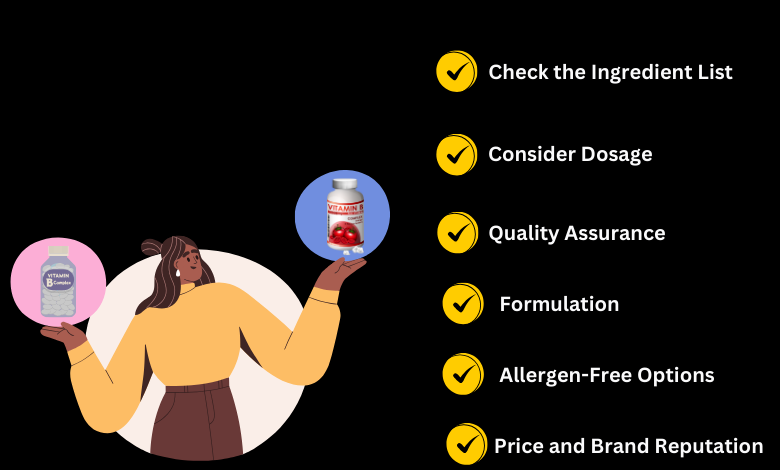
Selecting a suitable B Complex supplement involves considering several factors to ensure you’re getting a quality product that meets your nutritional needs. Here are some tips for choosing the right B Complex supplement:
- Check the Ingredient List: Look for a supplement that includes all eight B vitamins for a comprehensive B Complex. The label should list B1 (thiamin), B2 (riboflavin), B3 (niacin), B5 (pantothenic acid), B6 (pyridoxine), B7 (biotin), B9 (folate), and B12 (cobalamin).
- Consider Dosage: Ensure the dosages of each B vitamin are in line with your nutritional needs. Avoid excessively high doses unless specifically needed.
- Quality Assurance: Opt for supplements that have been verified by third-party organizations for purity and potency. Look for seals from USP (United States Pharmacopeia), NSF International, or ConsumerLab, which indicate the product has undergone independent testing.
- Formulation: Some supplements may include additional nutrients or herbal ingredients. Decide if you want a straightforward B Complex or one that includes these extras, based on your health goals.
- Allergen-Free Options: If you have allergies or sensitivities, check for allergen-free labels. Many supplements are now free from common allergens like gluten, soy, dairy, and nuts.
- Price and Brand Reputation: Compare prices and read reviews to find a supplement that offers good value without compromising on quality. Well-established brands with positive customer feedback are often a reliable choice.
Remember, while supplements can help fill nutritional gaps, they should complement, not replace, a varied and balanced diet. Eating foods rich in B vitamins is the best way to meet your nutritional needs.
Conclusion
B Complex vitamins play an essential role in maintaining overall health by supporting energy production, brain function, red blood cell formation, and the health of skin, hair, and eyes. While many people can obtain sufficient amounts of these vitamins through a balanced diet, certain groups may benefit from B Complex supplements, including those with dietary restrictions, older adults, individuals with specific health conditions, and people experiencing high stress levels.
When considering B Complex supplements, it’s important to select a product that meets quality standards, provides the right dosage of each vitamin, and suits your dietary needs. Look for supplements tested by third-party organizations for purity and potency, and consider the reputation of the brand and feedback from other users.
Ultimately, B Complex vitamins are a key part of a healthy lifestyle, but they should be used to complement a diet rich in a variety of nutrients. Regular consumption of foods high in B vitamins, alongside careful supplementation when necessary, can help ensure you’re getting the full range of benefits these essential nutrients offer.


