The Fight Against Misleading Supplement Ads
The fight against misleading supplement advertisements has become a key focus for regulatory bodies. With an increase in supplement ads promising significant health benefits without scientific proof, organizations like the UK’s Advertising Standards Authority (ASA) and the US Federal Trade Commission (FTC) are taking action. These authorities aim to protect consumers from being misled by false claims, ensuring that the information presented in supplement ads is accurate and reliable. Their efforts highlight the critical need for honesty in health-related advertising to maintain consumer trust and safety.
The Problem of Misleading Supplement Ads
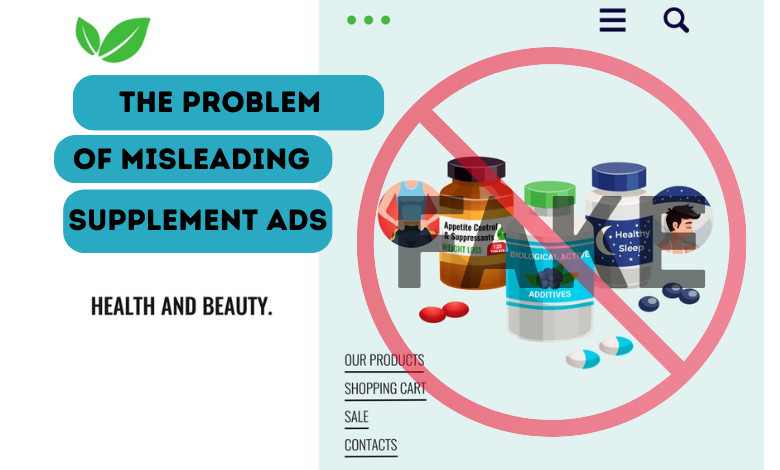
Misleading ads in the supplement industry pose a real challenge. Some companies have been found using ads that make big promises about their products’ health benefits without solid proof. These claims can lead people to believe that a supplement will perform better than it actually does. For example, certain companies were highlighted for claiming their products were the “top” or “best” based on rankings or reviews that weren’t backed by objective evidence. Regulatory bodies like the ASA and FTC are stepping up to address these issues. They are focusing on ads that are not clear or straightforward about the product’s true benefits. The goal is to ensure that consumers have accurate information to make informed choices, free from exaggerated or false promises. This effort reflects a wider attempt to maintain trust and safety in the health product market.
Regulatory Actions and Their Importance
Regulatory bodies like the Advertising Standards Authority (ASA) in the UK and the Federal Trade Commission (FTC) in the US play a crucial role in monitoring the supplement industry. They focus on ads that make false or exaggerated claims about products. For instance, when companies claim their supplements are the “best” or “top-ranked” without proper evidence, these regulators step in. Their actions include investigating complaints, conducting reviews, and sometimes taking legal action against companies that don’t follow the rules. The main goal is to ensure that ads don’t mislead consumers by making them think a product has more benefits than it actually does. This work is important because it helps keep the supplement market honest and safe for consumers, making sure that the information they see in ads is clear, accurate, and reliable.
The Role of Regulatory Bodies
Regulatory bodies are pivotal in ensuring that supplement advertisements are both truthful and scientifically supported, providing a critical safeguard for consumers navigating the health and wellness market.
- Overseeing the Supplement Market: Regulatory bodies like the ASA and FTC monitor supplement advertisements to ensure they do not deceive consumers. Their oversight helps maintain honesty and transparency in the claims made by supplement companies.
- Investigating Misleading Claims: These organizations actively investigate advertisements that potentially overpromise or fabricate the benefits of supplements, especially when products are touted as the “best” or “number one” without credible evidence to back such claims.
- Enforcing Advertising Codes and Legal Guidelines: By applying specific advertising standards and legal regulations, regulatory bodies assess if advertisements are misleading, incomplete, or fail to disclose vital information, ensuring adherence to the truth in advertising principles.
- Taking Corrective Actions: When ads are found to violate guidelines, the regulatory bodies can demand modifications to the advertisements or order their complete removal from public view, thus preventing false information from reaching consumers.
- Maintaining Market Fairness: Their efforts are crucial in promoting a level playing field in the supplement industry, where all companies are held to the same standards of honesty and evidence-based marketing.
- Ensuring Fact-Based Claims: These organizations scrutinize the evidence supporting supplement claims, demanding that all health benefits touted in advertisements are backed by scientific proof, thereby safeguarding consumer interests.
- Protecting Consumers: By ensuring that supplement ads are truthful and informative, regulatory bodies play a vital role in helping consumers make well-informed decisions regarding their health and nutrition, reinforcing public trust in the supplement market.
Consumer Impact

The impact of misleading supplement ads on consumers is significant. When people see ads claiming a supplement is the “best” or can offer quick health benefits without solid evidence, they might be persuaded to buy products that don’t deliver as promised. This can lead to disappointment and a waste of money. Furthermore, believing in exaggerated claims might steer consumers away from products that could genuinely help them, based on their actual needs and the proven effectiveness of other supplements. The actions taken by regulatory bodies aim to prevent such outcomes by ensuring that all supplement advertisements are truthful and based on facts. This approach helps consumers make informed decisions, protecting them from potential misinformation and contributing to a safer and more trustworthy market.
Industry Accountability and Self-Regulation
The responsibility of the supplement industry to regulate itself and ensure accountability is crucial. Companies within this industry are expected to promote their products honestly and base their claims on scientific evidence. When a company claims its supplement is the “best” without proper proof, it not only misleads consumers but also undermines trust in the entire industry. Regulatory bodies like the ASA and FTC have been active in enforcing rules and guidelines. However, the industry itself plays a vital role in maintaining high standards. Companies are encouraged to conduct thorough research before making claims and to be transparent with consumers about the benefits and limitations of their products. This approach of self-regulation and accountability helps build a trustworthy environment where consumers can make informed decisions, enhancing the overall integrity of the health supplement market.
Conclusion
The effort to combat misleading supplement advertisements is a continuous process that involves regulatory bodies, the supplement industry, and consumers themselves. Regulatory agencies like the ASA and FTC play a key role in monitoring and taking action against false claims to protect consumers. However, the industry’s commitment to truthfulness and self-regulation is equally important for maintaining consumer trust. By ensuring that supplement claims are backed by scientific evidence and presented honestly, the industry can help consumers make informed decisions about their health and wellness. Ultimately, a combined effort from all sides is essential to create a transparent and reliable market for supplements, where consumers can feel confident about the choices they make.


