Psyllium Fiber: Benefits, Dosage, and Safety Tips for Optimal Health
Psyllium is a type of fiber that comes from the husks of plant seeds. Many people use it to improve their digestion and maintain regular bowel movements. Because it’s a natural product, understanding how to use it correctly is key to getting the benefits while staying safe. This guide will walk you through the basics of psyllium, including how to choose a good product and use it in a way that’s best for your health. Whether you’re new to psyllium or looking to learn more about it, you’ll find helpful tips and important safety information here. Our goal is to make sure you have the knowledge you need to use psyllium safely and effectively.
What is Psyllium?

Psyllium is a form of fiber extracted from the husks of the seeds of the Plantago ovata plant, predominantly cultivated in India but also found in various other regions around the globe. Recognized for its impressive water-absorbing qualities, psyllium is a favored choice for those looking to enhance their digestive health. Upon ingestion, psyllium expands, forming a gel-like substance in the stomach. This process aids in the formation of softer stools, making bowel movements smoother and less straining. Its primary use is to combat constipation and to promote regularity, offering a natural solution for digestive discomfort.
Moreover, psyllium’s benefits extend beyond merely easing bowel movements. It plays a crucial role in supporting overall intestinal health, including potentially aiding in weight management efforts and helping to regulate blood sugar levels for those with such concerns. The fiber’s ability to swell and absorb liquids contributes to a feeling of fullness, which can help in controlling appetite and managing weight. Additionally, its role in blood sugar regulation makes it a valuable dietary addition for individuals looking to maintain stable glucose levels. In essence, psyllium offers a multifaceted approach to health, underpinned by its robust fiber content and versatility as a dietary supplement.
Choosing Psyllium Safely
To select a psyllium product safely, follow these straightforward guidelines:
- Read the Label Carefully: Look for products that list psyllium husk as the primary or sole ingredient. Avoid those with unnecessary additives like sugars, artificial colors, or flavors.
- Check for Safety Testing: Prefer brands that offer products tested by independent labs for purity and safety. This ensures the psyllium is free from harmful substances such as heavy metals or pesticides.
- Select the Right Form for You: Psyllium is available in various forms, including whole husks, powder, or capsules. Choose the one that fits your lifestyle and preference. Powders and husks can be mixed with water and may act more quickly, while capsules offer convenience.
- Start Slow: If you’re new to psyllium, begin with a lower dose to monitor your body’s response. Gradually increase the amount as needed.
- Increase Water Intake: Psyllium works best when you’re well-hydrated. Drink plenty of water throughout the day to support the fiber’s effectiveness and promote digestive health.
- Consult a Healthcare Provider: Before adding psyllium to your routine, especially if you have existing health conditions or are on medication, talking to a doctor or dietitian can provide personalized advice and ensure it’s a safe option for you.
By following these tips, you can make an informed and safe choice when incorporating psyllium into your diet.
Regulatory Oversight and Consumer Safety
Regulatory oversight plays a key role in ensuring the supplements you take, including psyllium, are safe and effective. Governments and independent bodies set standards and regulations that manufacturers must follow. These rules cover everything from how supplements are made to what information must be provided on labels. The goal is to protect you, the consumer, from harmful substances and misleading claims.
When a product meets these standards, it means it has passed tests for purity and safety. For psyllium, this means checking for things like cleanliness of the husks and absence of contaminants. Labels are also important. They should give clear information about what’s in the supplement, how much to take, and any warnings about potential side effects or interactions with medications.
As a consumer, you can look for symbols or statements on packaging that indicate a product has been verified by a reputable oversight organization. This adds an extra layer of assurance that what you’re buying is both safe and as described. Always remember, while regulatory oversight helps make supplements safer, it’s also important to do your own research and consult with healthcare professionals when adding new supplements to your diet. This ensures that you’re using psyllium in a way that’s best for your health.
How to Use Psyllium Properly
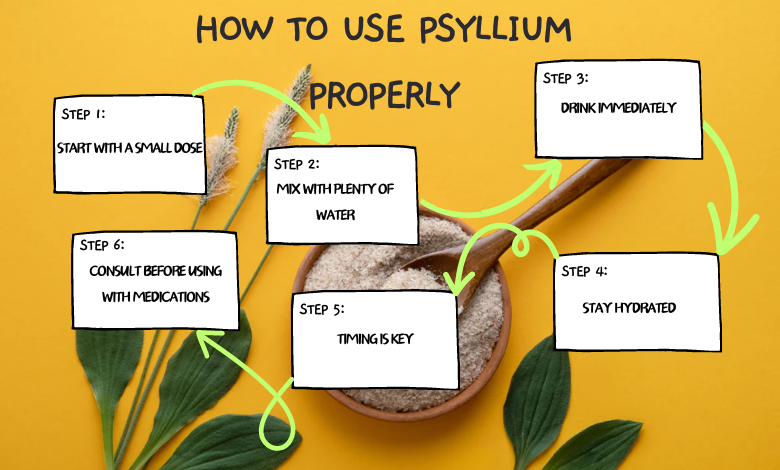
Using psyllium correctly is important to get the most benefit from it and avoid any unwanted side effects. Here’s a straightforward guide to help you use psyllium safely:
- Start with a Small Dose: Begin with a lower amount of psyllium than recommended on the package. This allows your body to adjust to the increased fiber intake. Gradually, you can increase the dose according to your needs and tolerance.
- Mix with Plenty of Water: Psyllium absorbs water, so it’s crucial to mix it with a sufficient amount of liquid. This will help prevent it from becoming too thick or causing choking. A general rule is to mix psyllium with at least 8 ounces (about a glass) of water.
- Drink Immediately: Once psyllium is mixed with water, drink it right away. If left to sit, it will thicken and become difficult to swallow.
- Stay Hydrated: Drink plenty of water throughout the day in addition to the water used with psyllium. This helps maintain hydration and supports the fiber’s action in your digestive system.
- Timing is Key: For the best results, take psyllium either before or between meals. However, avoid taking it immediately before bedtime.
- Consult Before Using with Medications: Psyllium can interact with certain medications by affecting how they’re absorbed. If you’re on medication, talk to a healthcare provider before starting psyllium.
Following these steps ensures you use psyllium in a way that maximizes its benefits while minimizing any risks. As with any dietary supplement, individual experiences may vary, so adjusting how you use psyllium based on your own responses is key.
Potential Benefits and Considerations
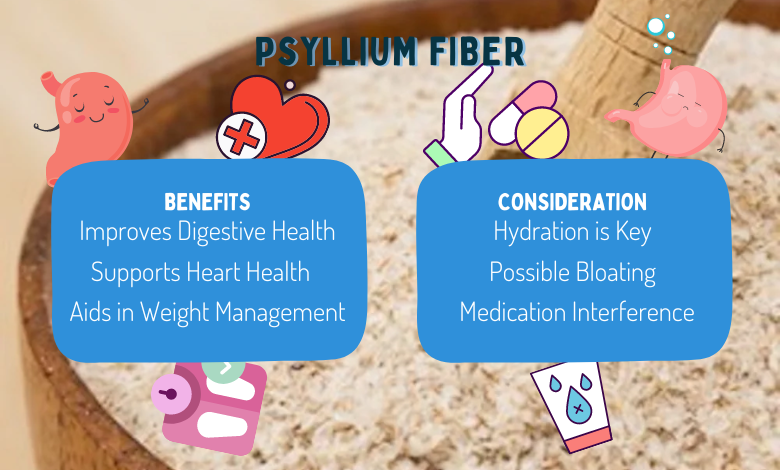
Psyllium is a fiber that offers several health benefits but also comes with considerations to keep in mind. Here’s a balanced view:
Benefits:
- Improves Digestive Health: Psyllium can help with regular bowel movements, making it easier to pass stools. It’s especially helpful for those dealing with constipation.
- Supports Heart Health: By binding to fats and sugars, psyllium helps lower cholesterol and blood sugar levels, which is beneficial for heart health.
- Aids in Weight Management: Its ability to absorb water contributes to a feeling of fullness, potentially helping with weight control by reducing overall calorie intake.
Considerations:
- Hydration is Key: Because psyllium absorbs water, it’s important to drink plenty of liquids to avoid dehydration and ensure the fiber moves through your digestive system smoothly.
- Possible Bloating: Some people might experience bloating or gas when they first start taking psyllium. This is usually temporary as the body adjusts to increased fiber.
- Medication Interference: Psyllium can affect how your body absorbs some medications, so it’s advisable to take it at a different time than your medications.
FAQs About Psyllium Use
Start with a small dose, such as half a teaspoon mixed with a glass of water, once a day. Gradually increase based on your body’s response, not exceeding the recommended dose on the package.
Yes, you can take psyllium before or between meals. However, avoid taking it right before bedtime to ensure it moves through your digestive system effectively.
Psyllium can aid in weight management by promoting a feeling of fullness, which may help reduce overall calorie intake. However, it should be used as part of a balanced diet and exercise program.
While psyllium is generally safe, it’s important to consult a pediatrician before giving it to children to determine the appropriate dose.
Psyllium can affect the absorption of some medications. It’s best to take psyllium at least 2 hours before or after other medications.
Minor side effects like bloating or gas are common initially. If you experience severe side effects or allergic reactions, stop taking psyllium and consult a healthcare provider immediately.
The effects on bowel movements usually occur within 12 to 24 hours. However, benefits like cholesterol reduction can take several weeks of consistent use to become evident.
Conclusion
Psyllium, a fiber supplement, supports digestive, heart health, and weight management. Opt for pure, tested products without unnecessary additives. Begin with a low dose, increase hydration, and mind timing around meals and medications. Be aware of possible side effects and medication interactions. Always consult a healthcare provider before incorporating psyllium into your regimen for personalized advice, ensuring its safe, effective integration into your health routine. This careful approach maximizes psyllium’s benefits while safeguarding against potential risks.


