Unveiling the Vitamin D Myth: What You Need to Know
Vitamin D, often celebrated as the “sunshine vitamin,” plays a crucial role in our well-being. It helps our bones by making it easier for our body to absorb calcium. Because of this, many people take Vitamin D pills, thinking they are giving their health a big boost, especially when they feel they don’t get enough sunlight. The sales of these supplements have turned into a huge business, with lots of people spending money on what they believe is a simple solution to a healthier life. However, the real question is whether these supplements do as much for our health as we think. This article digs into the buzz around Vitamin D supplements, separates fact from fiction, and explores if they’re really worth our time and money.
The Hype Around Vitamin D
While there’s a lot of talk about what Vitamin D can do, it’s crucial to focus on what science actually supports. Vitamin D’s main, proven benefit is its role in bone health. It helps our body use calcium, which is the key to strong bones. This is especially important to prevent bone-related issues as we age. Beyond this, the scientific community is cautious about confirming other health benefits without more evidence. Here’s a straightforward look at what Vitamin D genuinely does for us:
- Supports Bone Health: Vitamin D helps the body absorb calcium, crucial for bone strength and structure.
- Prevents Bone Disorders: Adequate Vitamin D can prevent diseases like osteoporosis and rickets by ensuring bones get enough calcium.
- May Aid in Muscle Function: Some evidence suggests Vitamin D is important for muscle health, though research is ongoing.
- Supports Immune System: Vitamin D plays a role in the immune system, but its exact benefits need clearer evidence.
- Mood Regulation: There’s interest in Vitamin D’s role in mood and mental health, but definitive benefits are still under study.
- Potential Role in Heart Health: Early research hints at a possible link between Vitamin D and heart health, but findings are not conclusive.
It’s important to remember that while Vitamin D is essential, its miraculous benefits are often overstated. Focusing on its core role in bone health is where the current consensus lies.
The Real Benefits of Vitamin D
Vitamin D is crucial for our body, especially for strong and healthy bones. It plays a key role by helping our body absorb calcium, which is the main building block for our bones. Without enough Vitamin D, our bones could become weak or brittle, which could lead to problems like osteoporosis when we get older. This is why Vitamin D is important, but it’s mostly for bone health.
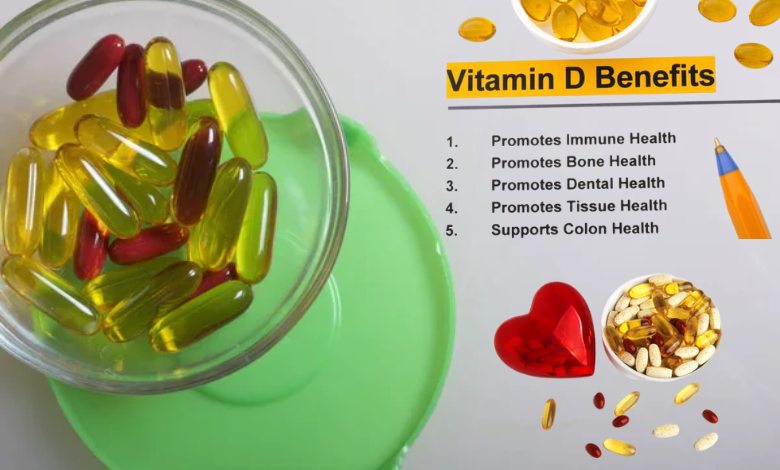
While some people take Vitamin D supplements hoping to prevent or treat a wide range of health issues, the solid proof of these benefits, beyond bone health, is limited. Scientific research has shown that Vitamin D can help with bone health, but the evidence that it can stop other health problems is not strong. So, when it comes to taking Vitamin D supplements for reasons other than bone health, it’s essential to know that its real, proven benefits are mainly to do with keeping our bones strong.
The Vitamin D Source Debate: Sunshine vs. Supplements
The question of the best source of Vitamin D has sparked much debate: Is it better to get it from the sun or from supplements? Our skin makes Vitamin D when it is exposed to sunlight, and we can also get it from certain foods and by taking supplements. However, the effectiveness of these different sources is a topic of discussion. Some experts argue that sunlight is the best source because it prompts our body to produce Vitamin D naturally. Others suggest that supplements are a more reliable way to ensure you get enough, especially in places with less sunshine.
Sunlight and supplements both have their advantages and disadvantages. Sun exposure can provide the added benefits of outdoor activity and natural light, which are good for our mood and overall health. However, too much sun can increase the risk of skin damage. Supplements, on the other hand, offer a straightforward way to get a specific amount of Vitamin D, regardless of weather or geographic location. Yet, relying solely on supplements misses out on the other benefits of sunlight and raises the issue of possible overconsumption. The debate continues, but what’s clear is that both sunlight and supplements play a role in maintaining adequate Vitamin D levels, depending on individual circumstances and needs.
The Misconception of Vitamin D Deficiency
There’s a common belief that many people are Vitamin D deficient and that this deficiency is a widespread health crisis. This concern has led to an increase in the number of individuals taking Vitamin D supplements, thinking they need to boost their levels to stay healthy. However, this fear of deficiency might not match the reality. Recent studies suggest that the criteria for what is considered a Vitamin D deficiency may be too strict, making the problem seem bigger than it actually is.
The truth is, while some groups of people might indeed have lower levels of Vitamin D, the idea that a vast majority are deficient is being questioned. For many, normal daily exposure to sunlight and a balanced diet may provide all the Vitamin D needed. The rush to supplement, driven by fears of deficiency, could lead to unnecessary consumption of Vitamin D supplements without real health benefits. Understanding the real scope of Vitamin D deficiency is crucial in addressing our health needs accurately, without falling into the trap of over-supplementation.
The Risks of Over-supplementation

Taking too much Vitamin D is not without its downsides. While aiming for a healthy lifestyle, it’s possible to cross the line into too much of a good thing. Here are the key risks associated with consuming too much Vitamin D through supplements:
- High Calcium Levels: Excessive Vitamin D can cause too much calcium to build up in the body, leading to calcium deposits in the arteries or in the kidneys.
- Kidney Damage: Over time, high levels of calcium can harm the kidneys, potentially leading to kidney stones or other kidney problems.
- Nausea and Vomiting: Too much Vitamin D can upset the stomach, causing nausea, vomiting, and a loss of appetite.
- Weakness: Instead of boosting energy, an overdose can lead to weakness or fatigue.
- Bone Pain: Ironically, while Vitamin D supports bone health, too much can cause bone pain.
- Heart Issues: High calcium levels can also affect the heart, potentially leading to heart rhythm problems.
It’s important to balance the desire for health with the understanding that more is not always better. Sticking to recommended amounts of Vitamin D can help avoid these risks.
Conclusion
Vitamin D holds a vital place in maintaining bone health, but the journey doesn’t end there. The enthusiasm surrounding its benefits needs to be met with a balanced perspective, considering the scientific evidence at hand. It’s clear that while Vitamin D supplements can play a role in a healthy lifestyle, they are not the cure-all solution for a wide range of health issues as often portrayed. Being informed and cautious about the amount of Vitamin D consumed is crucial to avoid the negative consequences of over-supplementation.
As we move forward, it’s important to seek Vitamin D from natural sources like sunlight and a balanced diet, supplementing only when necessary and under guidance. Remember, health is a wide-ranging puzzle, and Vitamin D is just one piece of it. Staying educated, consulting with healthcare professionals, and maintaining a holistic approach to wellness will ensure that Vitamin D supplements are used wisely and effectively in supporting overall health.


